
A warm meal is easy when you have a microwave, stove, or kitchen nearby.
The situation changes when you don’t.
That’s where a food heating pack becomes useful. A small water-activated heater can generate heat without an electrical outlet or open flame, allowing a compatible prepared meal to be warmed inside a portable heating system.
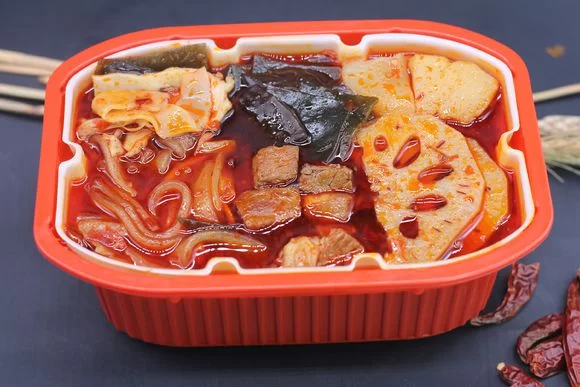
The idea is simple. Choosing the right pack is not always quite so simple.
The heater has to match the food weight, packaging, starting temperature, heating time, and the result you want. For a commercial food product, the food package itself also becomes part of the equation.
So what should you actually look for?
Let’s start with the questions buyers usually ask.
What Is a Food Heating Pack?
A food heating pack is a portable heat source designed to warm a compatible prepared meal without a conventional stove, microwave, or electrical connection. Many models are activated with a specified amount of water, which starts an exothermic reaction inside the heater and releases heat.
The heating pack remains physically separated from the food while heat passes through the compatible food packaging.
For packaged-meal applications, JOYTIDE supplies water-activated flameless food heating solutions that can be used with compatible meal pouches, heating bags, and self-heating food packaging systems.
How Does a Food Heating Pack Work?
A water-activated food heating pack works by using water to start a heat-producing reaction inside the sealed heater.
The heater is positioned next to or beneath the prepared meal. Once activated, it releases heat, which transfers through the food package and gradually raises the meal temperature.
The heater does not need to be mixed with the food.
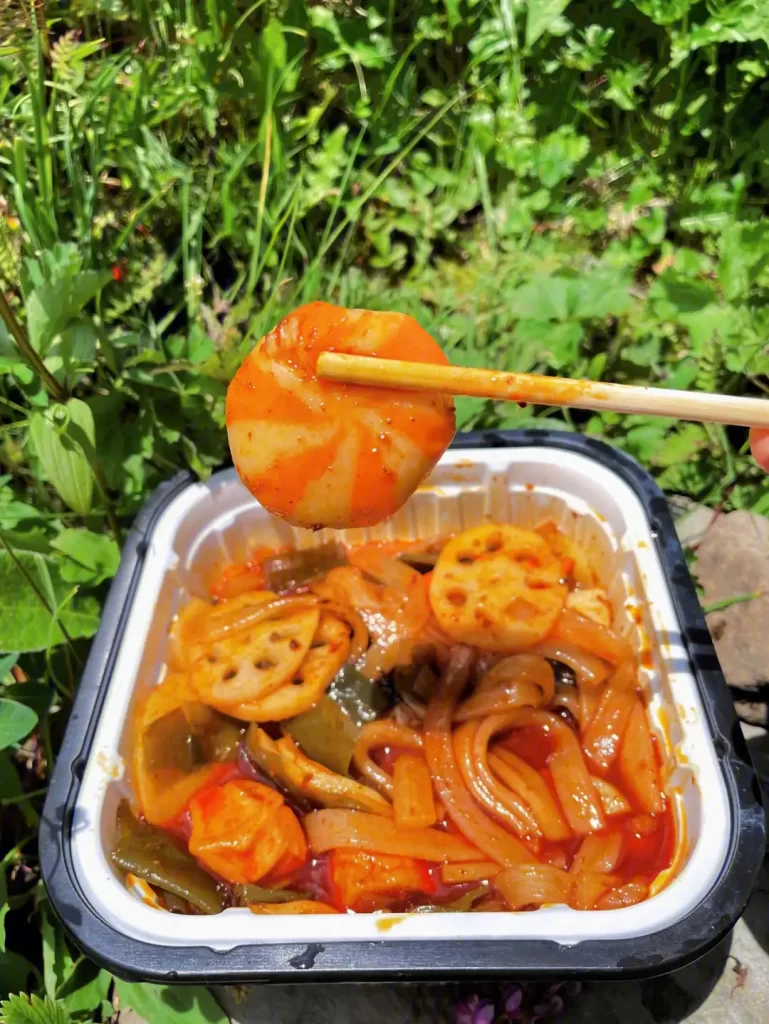
The basic process is:
Add the specified water → activate the heater → heat transfers to the meal → remove and eat the warmed food
The exact reaction, heater composition, activation method, and heating performance depend on the selected product.
JOYTIDE’s magnesium-based heating pack uses a packaged heater structure designed so that activation water can reach the heating composition while the heater remains enclosed and separate from the food.
Does a Food Heating Pack Need Electricity?
No. A water-activated food heating pack does not normally require electricity during use.
Instead of converting electrical energy into heat, the heating material generates heat after being activated with water.
That’s why these systems are useful for situations where there isn’t a convenient power source.
Camping is an obvious example, but it isn’t the only one.
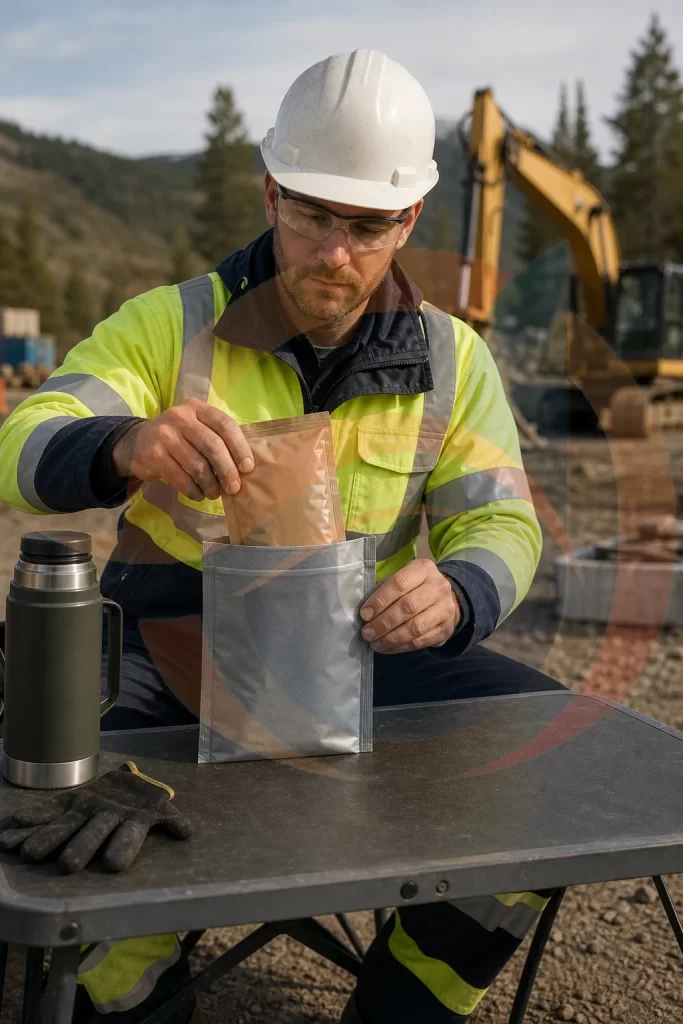
A portable heater can also be useful for road trips, outdoor work, picnics, travel meals, and packaged food products designed for convenient preparation away from a kitchen.
It isn’t meant to replace a stove in every situation. A stove is still much more flexible when you actually need to cook.
A food heating pack is more specialized:
the meal is already prepared; the heater’s job is to warm it.
How Much Water Does a Food Heating Pack Need?
The correct amount of water depends on the specific heater.
There is no universal water quantity for every food heating pack.
Using too much or too little water can affect how the heating system performs, so the manufacturer’s instructions should always be followed.
For example, one heater may be designed around a particular pack weight and activation method, while another heater of a different size may require a different amount.
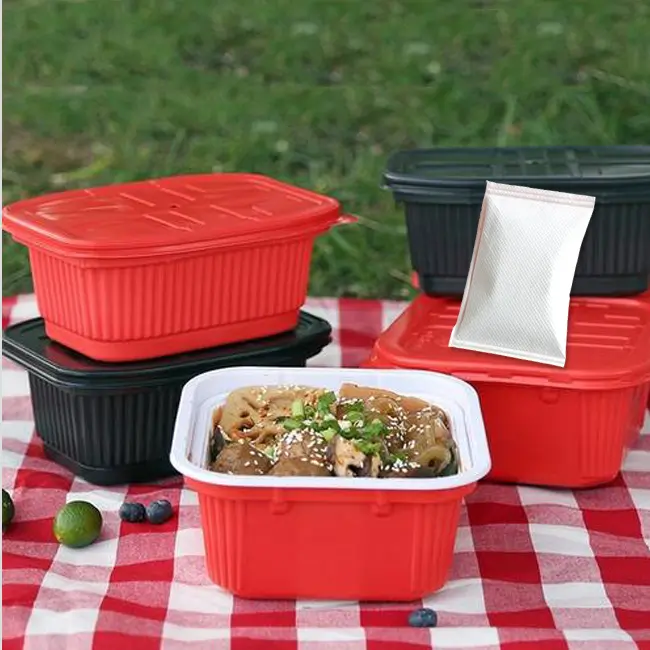
This is one reason commercial products should not simply copy the water instructions from another self-heating meal.
JOYTIDE’s FAQ for flameless heaters also recommends using only the amount of activation water specified for the selected heater model.
For a consumer product, a clearly marked fill line or simple instruction can make the activation process much easier.
How Long Does a Food Heating Pack Take to Heat a Meal?
There is no single heating time that applies to every meal.
A food heating pack may warm one meal faster than another because heating performance depends on several variables, including:
| Factor | Effect on Heating |
|---|---|
| Food weight | More food generally requires more energy |
| Food thickness | Deeper meals can take longer to warm through |
| Starting temperature | Colder food requires a larger temperature increase |
| Heater size | Different heater capacities produce different results |
| Water quantity | Correct activation is important for consistent performance |
| Package structure | Shape and material affect heat transfer |
| Ambient temperature | Cold surroundings can increase heat loss |
That is why a useful product specification should say more than:
“Heats in 10 minutes.”
A better question is:
“Ten minutes under what conditions?”
For a commercial meal, heating time should be measured with the actual food, actual package, actual heater, and a defined starting temperature.
What Temperature Can a Food Heating Pack Reach?
The heater itself and the food are two different things.
A heating pack can become significantly hotter than the final temperature of the meal because some of the generated heat is transferred through the packaging and some is lost to the surrounding environment.
So the most useful measurement isn’t simply the maximum temperature reached by the heater.
It is the temperature of the food after a defined heating period.
For example, a product development test might record:
Starting food temperature → 5 minutes → 10 minutes → 15 minutes → final food temperature
For thicker foods, it can also be useful to check more than one location.
The area closest to the heater may become warm before the center does.
That is why a commercial buyer should evaluate the actual meal rather than selecting a heating pack based only on a peak-temperature number.
What Foods Can a Food Heating Pack Warm?
A food heating pack can be paired with many types of prepared meals when the complete system has been designed and tested for them.
Common examples include:
- Rice meals
- Noodles
- Pasta
- Soups
- Stews
- Curry-style dishes
- Prepared vegetables
- Hot pot meals
- Ready-to-eat food pouches
- Other compatible prepared meals
But the food itself is only half of the equation.
Consider two 400 g meals.
One is a flat rice pouch.
The other is a deep container filled with thick soup.
They have the same weight, but heat has to travel differently through each package.
For this reason, “400 g food” is useful information, but it isn’t enough information to determine the correct food heating pack.
Can a Food Heating Pack Warm Refrigerated Food?
It can be possible, but the heater should be selected and tested specifically for that condition.
A meal taken directly from refrigeration needs more heating energy than the same meal starting at room temperature.
This matters particularly for commercial food products.
If the customer is expected to take the meal from refrigerated storage and then heat it, the development test should reproduce that sequence.
Don’t test a room-temperature meal and assume the same heater will perform identically on a refrigerated product.
The packaging matters too.
The U.S. Food and Drug Administration identifies different conditions of use for food-contact substances, including refrigerated or frozen ready-prepared foods intended to be reheated in the container at the time of use. The FDA’s Food Types & Conditions of Use for Food Contact Substances is a useful reference when evaluating packaging for a reheatable food product.
The practical lesson is simple:
test the food heating pack and food package together.
Does the Food Heating Pack Touch the Food?
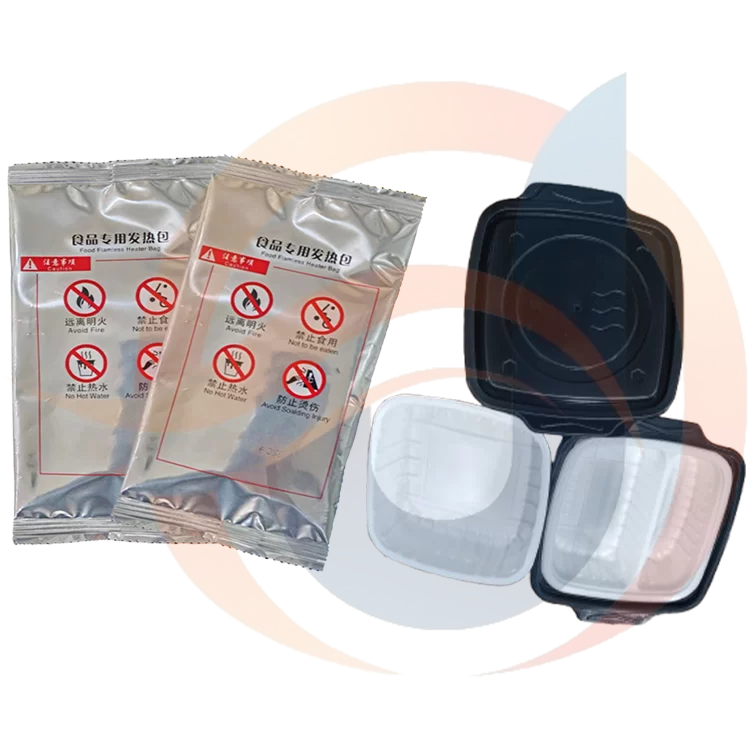
No. In a properly designed self-heating food system, the heating material remains separated from the food.
The food stays in its own sealed pouch, tray, or container.
The heater stays in its own compartment or heating bag.
Heat passes between the two without the heating material becoming part of the meal.
This separation is especially important for commercial food packaging.
FDA defines food-contact substances broadly to include materials and components that come into contact with food, such as packaging and packaging components. Its consumer guidance explains that the intended use and safety of such materials are important considerations. You can review the FDA’s Food Packaging & Other Substances That Come in Contact with Food for additional background.
So when developing a self-heating meal, don’t think about the heater as a standalone product.
Think about the complete system:
heater + heating compartment + food package + food
Is a Food Heating Pack Safe?
A properly designed food heating pack is intended to keep the heating material separate from the food, but the system still produces heat and should be handled according to its instructions.
“Flameless” only means that the heating process does not rely on an open flame.
It does not mean there is no hot water, vapor, or hot surface during operation.
Basic handling precautions include:
- Use only the specified amount of activation water.
- Keep the heater material away from the food.
- Do not open the heater pack.
- Do not consume the heater material or activation water.
- Place the heating system on a stable surface.
- Keep any required ventilation path clear.
- Be careful when opening the heated food package.
- Allow the used heater to cool before disposal.
The instructions for the specific heater should always take priority over generic information.
Can You Use a Food Heating Pack to Cook Raw Food?
A typical food heating pack should be considered a meal warmer, not a general-purpose cooking appliance.
That’s an important distinction.
Prepared rice, noodles, soup, stew, and other ready-to-eat meals can be developed around a suitable heating system.
Raw meat or other uncooked ingredients are different. Cooking safely may require controlled temperatures, sufficient heating throughout the food, and other process controls that a general portable heater may not provide.
Unless the complete system has been specifically designed and validated for cooking the food involved, it is better to use a food heating pack for its intended purpose:
warming prepared food.
Does a Food Heating Pack Make the Meal Shelf-Stable?
No.
The heating pack only provides heat.
It does not preserve the food or change the food’s storage requirements.
Whether a meal is shelf-stable depends on the food-processing method, packaging, and storage conditions.
For example, USDA explains that retort pouches are flexible packages for appropriate foods that undergo commercial thermal processing. The resulting retort package can be shelf-stable at room temperature. The shelf stability comes from that processing and packaging—not from adding a heating pack to the meal.
USDA also describes a retort pouch specifically as a flexible package that undergoes commercial sterilization through thermal processing.
So if your prepared food requires refrigeration, putting a self-heating pack next to it does not remove that requirement.
The heater heats.
The food-processing and packaging system determines storage.
Food Heating Pack vs. Portable Stove
These two products solve different problems.
A portable stove is designed to give you a heat source for cooking. You can boil water, cook raw ingredients, use cookware, and prepare food from scratch.
A food heating pack is much more specialized.
| Feature | Food Heating Pack | Portable Stove |
|---|---|---|
| Electricity | Not normally required | Not normally required |
| Open flame | No | Usually |
| Cook prepared food | Yes, when compatible | Yes |
| Cook raw ingredients | Not normally its purpose | Yes |
| Cookware | Usually unnecessary | Usually required |
| Setup | Simple | More equipment |
| Cleaning | Minimal | Usually required |
| Portability | High | Depends on stove and fuel |
| Best suited for | Prepared meals | Cooking |
For someone who has already prepared the meal and simply wants it warm, the heating pack can remove a lot of unnecessary equipment.
For someone who wants to cook, the stove remains the more versatile tool.
How Do You Choose the Right Food Heating Pack?
For personal use, the easiest option is usually to follow the heater and meal manufacturer’s recommended combination.
For a food manufacturer or importer, heater selection needs a little more thought.
Start with these questions.
1. How Much Food Are You Heating?
Give the supplier the actual net food weight per serving.
300 g and 500 g are not the same heating requirement.
2. What Does the Food Look Like?
Is it a flat pouch?
A deep bowl?
A rectangular tray?
A divided meal?
Food shape affects how efficiently heat moves through the product.
3. What Temperature Does the Meal Start At?
Room temperature and refrigerated food require different heating conditions.
4. What Result Do You Want?
Don’t just say:
“We need it hot.”
Define the target.
For example:
“We want the meal to reach our target serving temperature within a specified preparation time.”
That gives the supplier something measurable to work with.
5. How Will Customers Use It?
Camping?
Travel?
Outdoor meals?
A retail ready-to-eat product?
A self-heating hot pot?
The intended application can influence the packaging format and activation method.
Why Heater Weight Isn’t Enough
One common sourcing mistake is comparing food heating packs only by their weight.
For example:
40 g vs. 50 g vs. 60 g
It may look like an easy comparison.
But heater weight alone doesn’t tell you whether the pack is right for your product.
A heavier heater may produce more heating capacity, but the complete system still depends on food weight, packaging, starting temperature, and heat transfer.
A better comparison looks like this:
| Test Point | Information to Record |
|---|---|
| Food type | Exact meal or recipe |
| Food weight | Net weight |
| Package | Pouch, tray, bowl, etc. |
| Package dimensions | Actual dimensions |
| Starting temperature | Before activation |
| Heater | Exact model/specification |
| Water | Activation quantity |
| Ambient temperature | Test environment |
| Heating time | Multiple time points |
| Food temperature | Multiple measurement points |
| Final result | Overall heating performance |
That is the information a food heating pack supplier can actually use.
Can a Food Heating Pack Be Customized?
Yes. Commercial food projects may require different heater sizes, dimensions, heating capacity, packaging structures, or outer bags.
The heating system may also be integrated with a specific meal container.
For example, JOYTIDE offers self-heating food containers and meal boxes designed around prepared meals such as rice, noodles, soups, hot pot, and other compatible food products.
Customization can involve:
- Heater weight
- Heater dimensions
- Heating capacity
- Heating compartment
- Outer heating bag
- Printed instructions
- Inner food tray
- Container shape
- Private-label packaging
- Carton packing
The exact configuration depends on the meal and the project.
What Should You Send a Supplier for a Food Heating Pack Quote?
A good inquiry does not have to be complicated.
Give the supplier enough information to understand the application.
| Project Information | Example |
|---|---|
| Food type | Rice / noodles / soup / stew |
| Food weight | 350 g per meal |
| Food package | Flexible pouch |
| Package size | Actual dimensions |
| Starting temperature | Refrigerated or room temperature |
| Target result | Desired serving temperature |
| Heating time | Preferred preparation window |
| Market | Destination country |
| Quantity | Sample + estimated bulk order |
| Customization | Printed bag, label, instructions |
That is much more useful than sending only:
“Please quote your food heating pack.”
For a commercial project, you can also send photos, drawings, or an actual food-package sample.
The more accurately the real meal is described, the more useful the heater recommendation can be.
What Should You Test Before Bulk Production?
This part shouldn’t be skipped.
A sample that gets hot once is not enough to approve a commercial heating system.
Test the actual product.
Use the actual food.
Use the actual package.
Start at the expected starting temperature.
Then record the result.
Pay attention to the center of the meal, not only the area closest to the heater.
Also check whether:
- The food package remains intact.
- The meal heats evenly enough for its intended use.
- The heating bag is easy to activate.
- The water quantity is easy to measure.
- The package is comfortable to handle.
- The instructions are easy to understand.
- Multiple samples produce reasonably consistent results.
For packaging, FDA’s guidance makes clear that the type of food and conditions of use are relevant to food-contact applications, so packaging validation should be based on the actual intended use rather than a generic “food grade” statement.
One Mistake to Avoid: Testing the Heater Without the Meal
This happens surprisingly often.
A supplier demonstrates that the heating pack becomes very hot.
Technically, that’s useful.
Commercially, it isn’t enough.
What matters is whether your actual meal becomes suitable for serving.
A heater that performs well with a thin pouch may behave differently with a thick tray.
A heater that works well at room temperature may require a different configuration for refrigerated food.
A 250 g meal is not automatically equivalent to a 500 g meal.
So don’t approve a food heating pack based solely on:
heater temperature + heater weight + advertised heating time.
Approve it after testing the whole system.
A Practical Way to Develop a Self-Heating Meal
For a new food product, I would work from the inside out.
Step 1: Finalize the food.
Step 2: Confirm portion weight.
Step 3: Select the intended food package.
Step 4: Define the starting temperature.
Step 5: Define the desired heating result.
Step 6: Test a suitable food heating pack.
Step 7: Record the results.
Step 8: Adjust the heater or package if needed.
Step 9: Repeat the test.
Step 10: Confirm the final configuration before bulk production.
It may take a few rounds.
That’s normal.
The important thing is that the final specification comes from the actual meal rather than a guess based on heater weight alone.
What Makes a Good Food Heating Pack?
The answer isn’t simply “the hottest one.”
A useful food heating pack should match the meal it is intended to heat.
It should activate predictably, fit the packaging properly, generate appropriate heat for the application, and provide a user experience that isn’t unnecessarily complicated.
For commercial products, consistency matters just as much as heating power.
A buyer should therefore look at:
Compatibility → Heating performance → Packaging → User experience → Consistency
rather than only:
Price → Heater weight
That difference can save a lot of trouble during product development.
Frequently Asked Questions
What is a food heating pack?
A food heating pack is a portable heating component used to warm compatible prepared food. Water-activated versions generate heat through an exothermic reaction without requiring electricity or an open flame.
How does a food heating pack work?
The specified amount of water activates the heating material inside the pack. The resulting reaction releases heat, which transfers through compatible packaging to warm the prepared meal.
Does a food heating pack need electricity?
No. Water-activated models generate heat without an electrical connection during normal operation.
How much water does a food heating pack need?
The required amount depends on the heater specification. Always follow the activation instructions supplied for the particular heater.
How long does a food heating pack take?
Heating time depends on food weight, package shape, starting temperature, heater specification, activation water, and ambient conditions. Product-specific testing provides the most useful answer.
Can a food heating pack heat refrigerated meals?
A suitable heater may be able to warm refrigerated prepared food, but the lower starting temperature changes the heating requirement. Test the actual meal from the intended starting condition.
What foods can use a food heating pack?
Compatible prepared foods may include rice, noodles, pasta, soups, stews, hot pot, prepared dishes, and ready-to-eat food pouches. Compatibility depends on the complete heating system.
Does the heating material touch the food?
No. In a properly designed system, the heating material remains in its own pack and is physically separated from the food.
Can a food heating pack cook raw food?
Typical portable food heating packs are designed to warm prepared meals rather than cook raw food. Do not assume a standard heater is suitable for cooking raw ingredients.
Does a food heating pack make food shelf-stable?
No. The heater only warms the meal. Shelf stability depends on the food’s processing, packaging, and storage conditions.
Can food heating packs be customized?
Commercial projects may support different heater weights, dimensions, packaging structures, heating capacities, outer bags, instructions, and meal-container configurations.
What information should I provide when requesting a food heating pack?
Provide the food type, portion weight, package dimensions, starting temperature, target heating result, preferred heating time, destination market, and estimated quantity.
Looking for a Food Heating Pack for Your Product?
The right food heating pack is usually found by starting with the meal rather than the heater.
Tell the supplier what you’re heating, how much food is in each serving, what package you’re using, where the meal starts temperature-wise, and what heating result you need.
JOYTIDE supplies water-activated food heating packs, magnesium-based heating solutions, and self-heating meal containers for compatible prepared-food applications.
For a new project, contact JOYTIDE with your meal specifications and estimated order quantity so the heating configuration can be evaluated with the actual product.

 English
  German
  French
  Korean
  Japanese
  Russian
  Arabic
  Portuguese
  Spanish