
A warm meal is easy when you have a microwave, stove, or kitchen nearby.
The situation changes when you don’t.
That’s where a عبوة تسخين الطعام becomes useful. A small water-activated heater can generate heat without an electrical outlet or open flame, allowing a compatible prepared meal to be warmed inside a portable heating system.
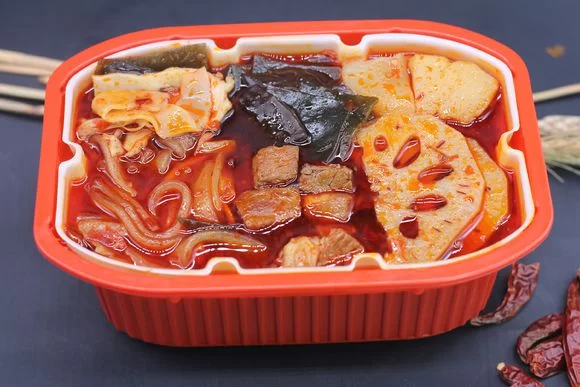
The idea is simple. Choosing the right pack is not always quite so simple.
The heater has to match the food weight, packaging, starting temperature, heating time, and the result you want. For a commercial food product, the food package itself also becomes part of the equation.
So what should you actually look for?
Let’s start with the questions buyers usually ask.
What Is a Food Heating Pack?
A عبوة تسخين الطعام is a portable heat source designed to warm a compatible prepared meal without a conventional stove, microwave, or electrical connection. Many models are activated with a specified amount of water, which starts an exothermic reaction inside the heater and releases heat.
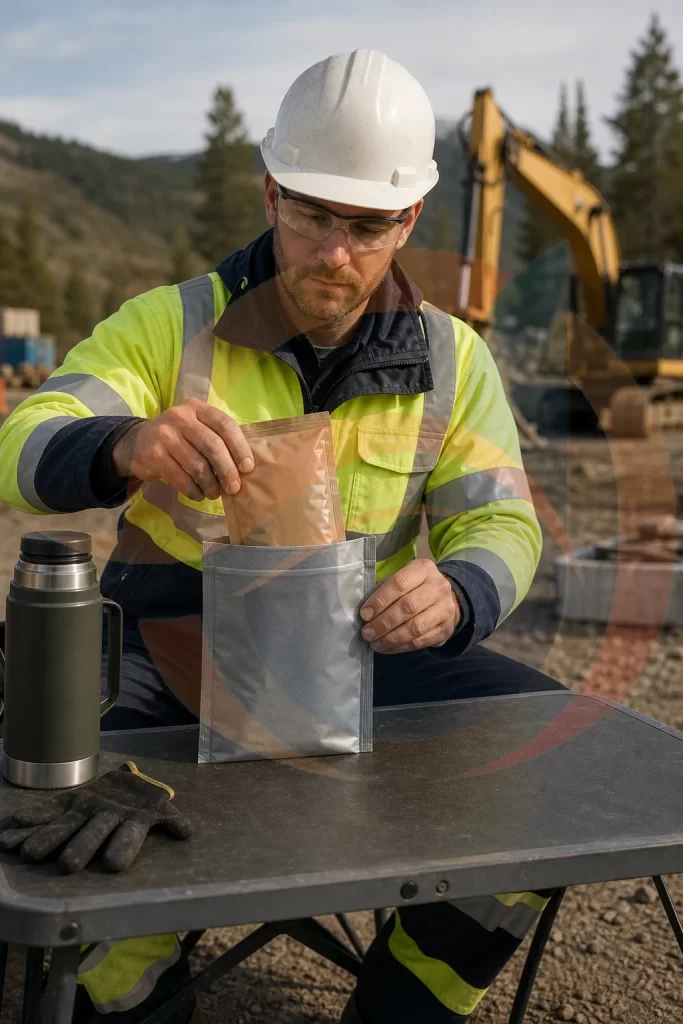
The heating pack remains physically separated from the food while heat passes through the compatible food packaging.
For packaged-meal applications, JOYTIDE supplies water-activated flameless food heating solutions that can be used with compatible meal pouches, heating bags, and self-heating food packaging systems.
How Does a Food Heating Pack Work?
A water-activated food heating pack works by using water to start a heat-producing reaction inside the sealed heater.
The heater is positioned next to or beneath the prepared meal. Once activated, it releases heat, which transfers through the food package and gradually raises the meal temperature.
The heater does not need to be mixed with the food.
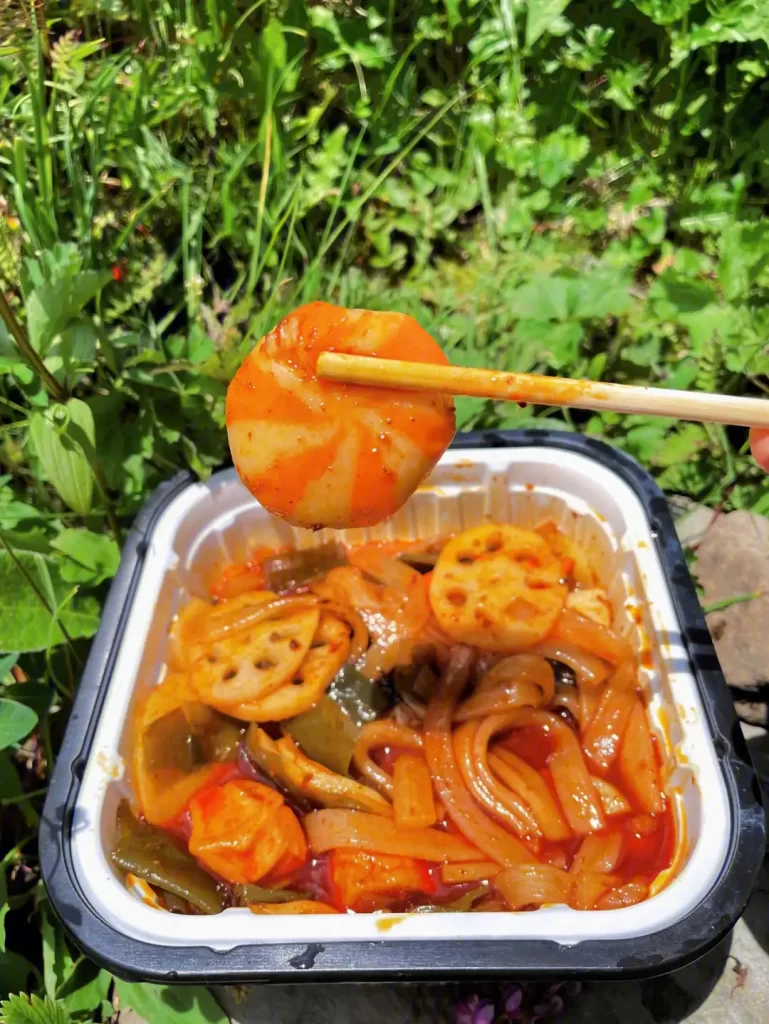
The basic process is:
Add the specified water → activate the heater → heat transfers to the meal → remove and eat the warmed food
The exact reaction, heater composition, activation method, and heating performance depend on the selected product.
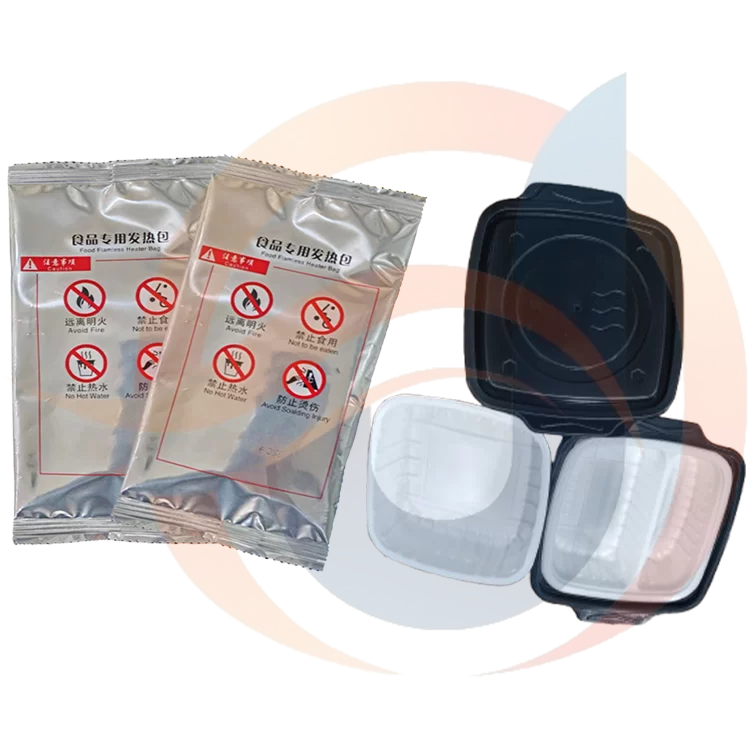
جويتايد عبوة تدفئة مصنوعة من المغنيسيوم uses a packaged heater structure designed so that activation water can reach the heating composition while the heater remains enclosed and separate from the food.
Does a Food Heating Pack Need Electricity?
No. A water-activated food heating pack does not normally require electricity during use.
Instead of converting electrical energy into heat, the heating material generates heat after being activated with water.
That’s why these systems are useful for situations where there isn’t a convenient power source.
Camping is an obvious example, but it isn’t the only one.
A portable heater can also be useful for road trips, outdoor work, picnics, travel meals, and packaged food products designed for convenient preparation away from a kitchen.
It isn’t meant to replace a stove in every situation. A stove is still much more flexible when you actually need to cook.
A food heating pack is more specialized:
the meal is already prepared; the heater’s job is to warm it.
How Much Water Does a Food Heating Pack Need?
The correct amount of water depends on the specific heater.
There is no universal water quantity for every food heating pack.
Using too much or too little water can affect how the heating system performs, so the manufacturer’s instructions should always be followed.
For example, one heater may be designed around a particular pack weight and activation method, while another heater of a different size may require a different amount.
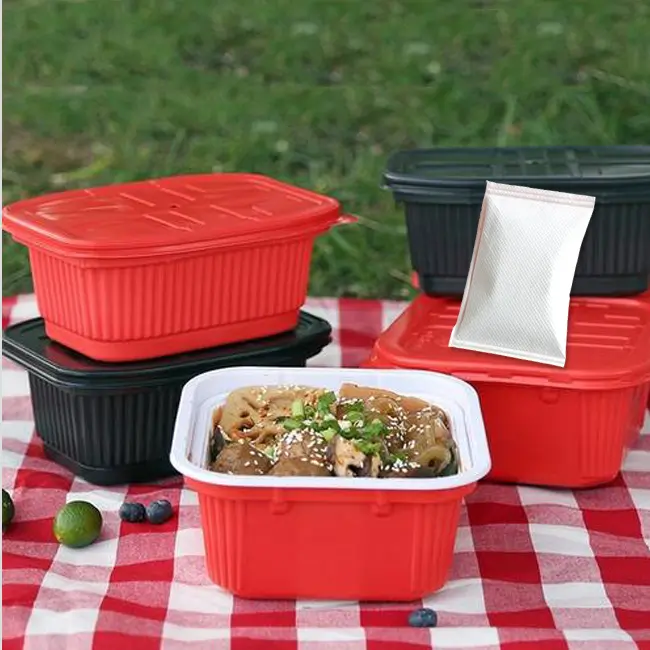
This is one reason commercial products should not simply copy the water instructions from another self-heating meal.
جويتايد FAQ for flameless heaters also recommends using only the amount of activation water specified for the selected heater model.
For a consumer product, a clearly marked fill line or simple instruction can make the activation process much easier.
How Long Does a Food Heating Pack Take to Heat a Meal?
There is no single heating time that applies to every meal.
A food heating pack may warm one meal faster than another because heating performance depends on several variables, including:
| عامل | تأثيره على التدفئة |
|---|---|
| وزن الطعام | More food generally requires more energy |
| سمك الطعام | Deeper meals can take longer to warm through |
| درجة الحرارة الابتدائية | Colder food requires a larger temperature increase |
| حجم السخان | Different heater capacities produce different results |
| كمية المياه | Correct activation is important for consistent performance |
| Package structure | يؤثر الشكل والمادة على انتقال الحرارة |
| درجة الحرارة المحيطة | يمكن أن تؤدي البيئة الباردة إلى زيادة فقدان الحرارة |
That is why a useful product specification should say more than:
“Heats in 10 minutes.”
والسؤال الأفضل هو:
“Ten minutes under what conditions?”
For a commercial meal, heating time should be measured with the actual food, actual package, actual heater, and a defined starting temperature.
What Temperature Can a Food Heating Pack Reach?
The heater itself and the food are two different things.
A heating pack can become significantly hotter than the final temperature of the meal because some of the generated heat is transferred through the packaging and some is lost to the surrounding environment.
So the most useful measurement isn’t simply the maximum temperature reached by the heater.
It is the temperature of the food after a defined heating period.
For example, a product development test might record:
Starting food temperature → 5 minutes → 10 minutes → 15 minutes → final food temperature
For thicker foods, it can also be useful to check more than one location.
The area closest to the heater may become warm before the center does.
That is why a commercial buyer should evaluate the actual meal rather than selecting a heating pack based only on a peak-temperature number.
What Foods Can a Food Heating Pack Warm?
A food heating pack can be paired with many types of prepared meals when the complete system has been designed and tested for them.
Common examples include:
- Rice meals
- نودلز
- المعكرونة
- الشوربات
- اليخنات
- Curry-style dishes
- خضراوات مُجهزة
- Hot pot meals
- أكياس طعام جاهزة للأكل
- Other compatible prepared meals
But the food itself is only half of the equation.
Consider two 400 g meals.
أحدهما عبارة عن كيس أرز مسطح.
والآخر عبارة عن وعاء عميق مملوء بحساء كثيف.
They have the same weight, but heat has to travel differently through each package.
For this reason, “400 g food” is useful information, but it isn’t enough information to determine the correct food heating pack.
Can a Food Heating Pack Warm Refrigerated Food?
It can be possible, but the heater should be selected and tested specifically for that condition.
A meal taken directly from refrigeration needs more heating energy than the same meal starting at room temperature.
This matters particularly for commercial food products.
If the customer is expected to take the meal from refrigerated storage and then heat it, the development test should reproduce that sequence.
Don’t test a room-temperature meal and assume the same heater will perform identically on a refrigerated product.
The packaging matters too.
The U.S. Food and Drug Administration identifies different conditions of use for food-contact substances, including refrigerated or frozen ready-prepared foods intended to be reheated in the container at the time of use. The FDA’s أنواع المواد الملامسة للأغذية وشروط استخدامها يُعد مرجعًا مفيدًا عند تقييم تغليف المنتجات الغذائية القابلة لإعادة التسخين.
The practical lesson is simple:
test the food heating pack and food package together.
Does the Food Heating Pack Touch the Food?
No. In a properly designed self-heating food system, the heating material remains separated from the food.
The food stays in its own sealed pouch, tray, or container.
The heater stays in its own compartment or heating bag.
Heat passes between the two without the heating material becoming part of the meal.
This separation is especially important for commercial food packaging.
FDA defines food-contact substances broadly to include materials and components that come into contact with food, such as packaging and packaging components. Its consumer guidance explains that the intended use and safety of such materials are important considerations. You can review the FDA’s مواد تغليف المواد الغذائية وغيرها من المواد التي تلامس الطعام for additional background.
So when developing a self-heating meal, don’t think about the heater as a standalone product.
Think about the complete system:
heater + heating compartment + food package + food
Is a Food Heating Pack Safe?
A properly designed food heating pack is intended to keep the heating material separate from the food, but the system still produces heat and should be handled according to its instructions.
“Flameless” only means that the heating process does not rely on an open flame.
It does not mean there is no hot water, vapor, or hot surface during operation.
Basic handling precautions include:
- Use only the specified amount of activation water.
- Keep the heater material away from the food.
- Do not open the heater pack.
- Do not consume the heater material or activation water.
- Place the heating system on a stable surface.
- Keep any required ventilation path clear.
- Be careful when opening the heated food package.
- اترك السخان المستخدم ليبرد قبل التخلص منه.
The instructions for the specific heater should always take priority over generic information.
Can You Use a Food Heating Pack to Cook Raw Food?
A typical food heating pack should be considered a meal warmer, not a general-purpose cooking appliance.
That’s an important distinction.
Prepared rice, noodles, soup, stew, and other ready-to-eat meals can be developed around a suitable heating system.
Raw meat or other uncooked ingredients are different. Cooking safely may require controlled temperatures, sufficient heating throughout the food, and other process controls that a general portable heater may not provide.
Unless the complete system has been specifically designed and validated for cooking the food involved, it is better to use a food heating pack for its intended purpose:
warming prepared food.
Does a Food Heating Pack Make the Meal Shelf-Stable?
لا.
The heating pack only provides heat.
It does not preserve the food or change the food’s storage requirements.
Whether a meal is shelf-stable depends on the food-processing method, packaging, and storage conditions.
For example, USDA explains that retort pouches are flexible packages for appropriate foods that undergo commercial thermal processing. The resulting retort package can be shelf-stable at room temperature. The shelf stability comes from that processing and packaging—not from adding a heating pack to the meal.
USDA also describes a retort pouch specifically as a flexible package that undergoes commercial sterilization through thermal processing.
So if your prepared food requires refrigeration, putting a self-heating pack next to it does not remove that requirement.
The heater heats.
The food-processing and packaging system determines storage.
Food Heating Pack vs. Portable Stove
These two products solve different problems.
A portable stove is designed to give you a heat source for cooking. You can boil water, cook raw ingredients, use cookware, and prepare food from scratch.
A food heating pack is much more specialized.
| ميزة | Food Heating Pack | موقد محمول |
|---|---|---|
| كهرباء | غير مطلوب عادةً | غير مطلوب عادةً |
| لهب مكشوف | لا | عادة |
| Cook prepared food | Yes, when compatible | نعم |
| Cook raw ingredients | ليس هذا هو الغرض المعتاد منه | نعم |
| أواني الطبخ | غير ضروري عادة | مطلوب عادة |
| يثبت | بسيط | معدات إضافية |
| تنظيف | الحد الأدنى | مطلوب عادة |
| سهولة الحمل | عالي | يعتمد ذلك على الموقد ونوع الوقود |
| Best suited for | الوجبات الجاهزة | Cooking |
For someone who has already prepared the meal and simply wants it warm, the heating pack can remove a lot of unnecessary equipment.
For someone who wants to cook, the stove remains the more versatile tool.
How Do You Choose the Right Food Heating Pack?
For personal use, the easiest option is usually to follow the heater and meal manufacturer’s recommended combination.
For a food manufacturer or importer, heater selection needs a little more thought.
Start with these questions.
1. How Much Food Are You Heating?
Give the supplier the actual net food weight per serving.
300 g and 500 g are not the same heating requirement.
2. What Does the Food Look Like?
Is it a flat pouch?
A deep bowl?
A rectangular tray?
A divided meal?
Food shape affects how efficiently heat moves through the product.
3. What Temperature Does the Meal Start At?
Room temperature and refrigerated food require different heating conditions.
4. What Result Do You Want?
Don’t just say:
“We need it hot.”
Define the target.
على سبيل المثال:
“We want the meal to reach our target serving temperature within a specified preparation time.”
That gives the supplier something measurable to work with.
5. How Will Customers Use It?
Camping?
Travel?
Outdoor meals?
A retail ready-to-eat product?
A self-heating hot pot?
The intended application can influence the packaging format and activation method.
Why Heater Weight Isn’t Enough
One common sourcing mistake is comparing food heating packs only by their weight.
على سبيل المثال:
40 g vs. 50 g vs. 60 g
It may look like an easy comparison.
But heater weight alone doesn’t tell you whether the pack is right for your product.
A heavier heater may produce more heating capacity, but the complete system still depends on food weight, packaging, starting temperature, and heat transfer.
A better comparison looks like this:
| نقطة اختبار | Information to Record |
|---|---|
| Food type | Exact meal or recipe |
| وزن الطعام | الوزن الصافي |
| طَرد | Pouch, tray, bowl, etc. |
| أبعاد العبوة | Actual dimensions |
| درجة الحرارة الابتدائية | Before activation |
| سخان | Exact model/specification |
| ماء | كمية التنشيط |
| درجة الحرارة المحيطة | Test environment |
| وقت التسخين | Multiple time points |
| درجة حرارة الطعام | Multiple measurement points |
| النتيجة النهائية | الأداء العام للتدفئة |
That is the information a food heating pack supplier can actually use.
Can a Food Heating Pack Be Customized?
Yes. Commercial food projects may require different heater sizes, dimensions, heating capacity, packaging structures, or outer bags.
The heating system may also be integrated with a specific meal container.
For example, JOYTIDE offers حاويات طعام ذاتية التسخين وعلب وجبات الطعام designed around prepared meals such as rice, noodles, soups, hot pot, and other compatible food products.
Customization can involve:
- Heater weight
- أبعاد السخان
- Heating capacity
- Heating compartment
- Outer heating bag
- تعليمات مطبوعة
- Inner food tray
- Container shape
- Private-label packaging
- Carton packing
The exact configuration depends on the meal and the project.
What Should You Send a Supplier for a Food Heating Pack Quote?
A good inquiry does not have to be complicated.
Give the supplier enough information to understand the application.
| Project Information | مثال |
|---|---|
| Food type | Rice / noodles / soup / stew |
| وزن الطعام | 350 g per meal |
| عبوة طعام | جراب مرن |
| Package size | Actual dimensions |
| درجة الحرارة الابتدائية | Refrigerated or room temperature |
| النتيجة المستهدفة | درجة حرارة التقديم المطلوبة |
| وقت التسخين | نافذة التحضير المفضلة |
| سوق | البلد المقصود |
| كمية | عينة + طلبية بالجملة تقديرية |
| التخصيص | Printed bag, label, instructions |
That is much more useful than sending only:
“Please quote your food heating pack.”
For a commercial project, you can also send photos, drawings, or an actual food-package sample.
The more accurately the real meal is described, the more useful the heater recommendation can be.
What Should You Test Before Bulk Production?
This part shouldn’t be skipped.
A sample that gets hot once is not enough to approve a commercial heating system.
Test the actual product.
Use the actual food.
استخدم العبوة الأصلية.
Start at the expected starting temperature.
Then record the result.
Pay attention to the center of the meal, not only the area closest to the heater.
Also check whether:
- The food package remains intact.
- The meal heats evenly enough for its intended use.
- The heating bag is easy to activate.
- The water quantity is easy to measure.
- The package is comfortable to handle.
- The instructions are easy to understand.
- Multiple samples produce reasonably consistent results.
For packaging, FDA’s guidance makes clear that the type of food and conditions of use are relevant to food-contact applications, so packaging validation should be based on the actual intended use rather than a generic “food grade” statement.
One Mistake to Avoid: Testing the Heater Without the Meal
This happens surprisingly often.
A supplier demonstrates that the heating pack becomes very hot.
Technically, that’s useful.
Commercially, it isn’t enough.
What matters is whether your actual meal becomes suitable for serving.
A heater that performs well with a thin pouch may behave differently with a thick tray.
A heater that works well at room temperature may require a different configuration for refrigerated food.
A 250 g meal is not automatically equivalent to a 500 g meal.
So don’t approve a food heating pack based solely on:
heater temperature + heater weight + advertised heating time.
Approve it after testing the whole system.
A Practical Way to Develop a Self-Heating Meal
For a new food product, I would work from the inside out.
Step 1: Finalize the food.
Step 2: Confirm portion weight.
Step 3: Select the intended food package.
Step 4: Define the starting temperature.
Step 5: Define the desired heating result.
الخطوة السادسة: اختبر عبوة تسخين الطعام المناسبة.
الخطوة 7: سجل النتائج.
الخطوة 8: اضبط السخان أو العبوة إذا لزم الأمر.
الخطوة 9: أعد الاختبار.
الخطوة 10: تأكد من التكوين النهائي قبل بدء الإنتاج بكميات كبيرة.
قد يستغرق الأمر بضع جولات.
هذا طبيعي.
الأمر المهم هو أن المواصفات النهائية تأتي من الوجبة الفعلية بدلاً من التخمين بناءً على وزن السخان فقط.
ما الذي يجعل عبوة تسخين الطعام جيدة؟
الإجابة ليست ببساطة "الأكثر سخونة".“
يجب أن تتناسب عبوة تسخين الطعام المفيدة مع الوجبة التي يُقصد تسخينها.
ينبغي أن يتم تفعيله بشكل متوقع، وأن يتناسب مع العبوة بشكل صحيح، وأن يولد حرارة مناسبة للتطبيق، وأن يوفر تجربة مستخدم غير معقدة بلا داعٍ.
بالنسبة للمنتجات التجارية، فإن الاتساق لا يقل أهمية عن قوة التسخين.
لذا ينبغي على المشتري أن ينظر إلى ما يلي:
التوافق ← أداء التسخين ← التغليف ← تجربة المستخدم ← الاتساق
بدلاً من فقط:
السعر ← وزن السخان
هذا الاختلاف يمكن أن يوفر الكثير من المتاعب أثناء تطوير المنتج.
الأسئلة الشائعة
ما هي عبوة تسخين الطعام؟
عبوة تسخين الطعام هي جهاز تسخين محمول يُستخدم لتسخين الأطعمة الجاهزة المتوافقة. وتُنتج الأنواع التي تعمل بالماء الحرارة من خلال تفاعل طارد للحرارة دون الحاجة إلى كهرباء أو لهب مكشوف.
كيف تعمل عبوة تسخين الطعام؟
تؤدي كمية الماء المحددة إلى تنشيط مادة التسخين داخل العبوة. وينتج عن ذلك تفاعل يُطلق حرارة تنتقل عبر العبوة المتوافقة لتسخين الوجبة المُجهزة.
هل تحتاج عبوة تسخين الطعام إلى الكهرباء؟
لا. تولد النماذج التي يتم تنشيطها بالماء حرارة بدون اتصال كهربائي أثناء التشغيل العادي.
ما مقدار الماء الذي يحتاجه كيس تسخين الطعام؟
تعتمد الكمية المطلوبة على مواصفات السخان. اتبع دائمًا تعليمات التشغيل المرفقة مع السخان المحدد.
كم من الوقت يستغرق تسخين الطعام؟
يعتمد وقت التسخين على وزن الطعام، وشكل العبوة، ودرجة الحرارة الابتدائية، ومواصفات السخان، وماء التنشيط، والظروف المحيطة. ويُعدّ إجراء اختبارات خاصة بكل منتج هو الحل الأمثل.
هل يمكن استخدام عبوة تسخين الطعام لتسخين الوجبات المبردة؟
قد يكون من الممكن استخدام سخان مناسب لتسخين الطعام المُجهز والمبرد، ولكن انخفاض درجة الحرارة الابتدائية يُغير متطلبات التسخين. لذا، يُنصح باختبار الوجبة الفعلية انطلاقًا من درجة الحرارة الابتدائية المُراد تسخينها.
ما هي الأطعمة التي يمكن استخدام عبوة تسخين الطعام عليها؟
قد تشمل الأطعمة الجاهزة المتوافقة الأرز، والمعكرونة، والحساء، واليخنات، والأطباق الساخنة، والأطباق الجاهزة، وأكياس الطعام الجاهزة للأكل. يعتمد التوافق على نظام التسخين بالكامل.
هل تلامس مادة التسخين الطعام؟
لا. في النظام المصمم بشكل صحيح، تبقى مادة التسخين في عبوتها الخاصة وتكون منفصلة فعليًا عن الطعام.
هل يمكن لحزمة تسخين الطعام أن تطهو الطعام النيء؟
صُممت عبوات تسخين الطعام المحمولة عادةً لتسخين الوجبات الجاهزة وليس لطهي الطعام النيء. لا تفترض أن جهاز التسخين القياسي مناسب لطهي المكونات النيئة.
هل تُساهم عبوة تسخين الطعام في جعل الطعام قابلاً للتخزين في درجة حرارة الغرفة؟
لا، السخان يقوم فقط بتسخين الطعام. أما مدة صلاحية الطعام فتعتمد على طريقة معالجته وتغليفه وتخزينه.
هل يمكن تخصيص عبوات تسخين الطعام؟
قد تدعم المشاريع التجارية أوزانًا وأبعادًا وهياكل تغليف وقدرات تسخين وأكياسًا خارجية وتعليمات وتكوينات مختلفة لحاويات الطعام.
ما المعلومات التي يجب عليّ تقديمها عند طلب عبوة تسخين الطعام؟
يرجى تحديد نوع الطعام، ووزن الحصة، وأبعاد العبوة، ودرجة الحرارة الابتدائية، ونتيجة التسخين المستهدفة، ووقت التسخين المفضل، والسوق المستهدف، والكمية المقدرة.
هل تبحث عن عبوة تسخين طعام لمنتجك؟
الحق عبوة تسخين الطعام عادة ما يتم العثور على المشكلة بالبدء بفحص الوجبة بدلاً من السخان.
أخبر المورد بما تقوم بتسخينه، وكمية الطعام في كل وجبة، ونوع العبوة التي تستخدمها، ودرجة حرارة بداية الوجبة، ونتيجة التسخين التي تحتاجها.
مستلزمات جويتايد عبوات تسخين الطعام التي يتم تنشيطها بالماء, حلول التدفئة القائمة على المغنيسيوم, ، و حاويات طعام ذاتية التسخين للاستخدامات المتوافقة مع الأطعمة الجاهزة.
لمشروع جديد،, اتصل بجويتايد مع تحديد مواصفات وجبتك وكمية الطلب المقدرة حتى يمكن تقييم إعدادات التسخين مع المنتج الفعلي.

 English
  German
  French
  Korean
  Japanese
  Russian
  Arabic
  Portuguese
  Spanish