
Self-Heating Bag vs. Insulated Lunch Bag: What’s the Difference?
If you want a warm meal away from a kitchen, two products can sound similar: a self-heating bag and an insulated lunch bag. One generates heat when its compatible heater is activated. The other mainly slows the movement of heat between the contents and the surroundings.
For details of the water-activated option, see our self-heating bag selection guide. The comparison below helps you decide which task your meal kit actually needs to perform.
Respuesta rápida
A self-heating bag uses a matched heating element to warm compatible prepared food. An insulated lunch bag helps maintain the temperature of food placed inside it but normally does not generate heat. Choose based on whether you need to heat a meal at serving time or manage its temperature during transport.
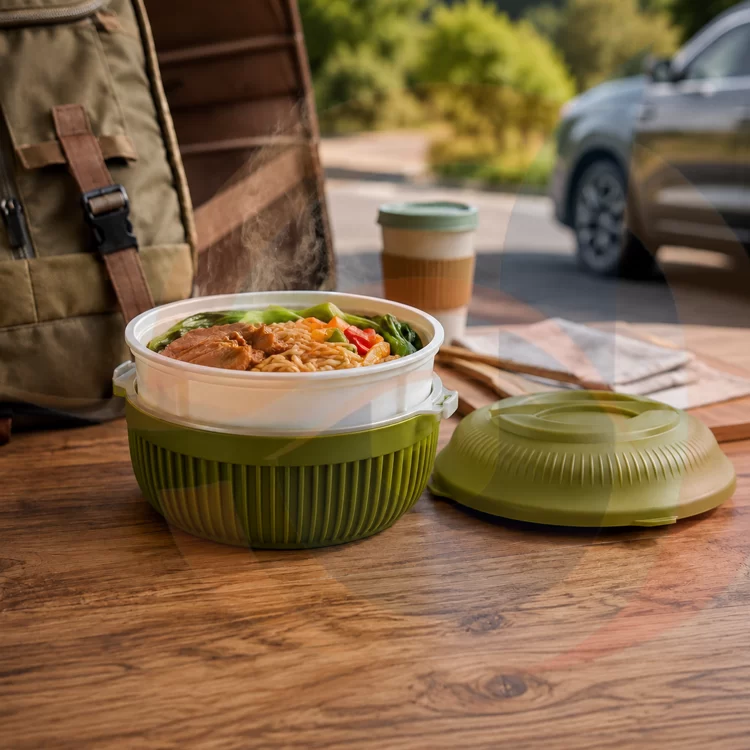
Website application image showing an outdoor prepared meal. The pictured container is not an insulated lunch bag.
Compare the Main Jobs
| Question | Self-heating bag system | Insulated lunch bag |
|---|---|---|
| Does it generate heat? | Yes, when its heater is activated correctly | Usually no; insulation slows temperature change |
| Does it need a heating element? | Yes, for the water-activated systems discussed here | No chemical heater is inherent to the bag |
| What does it carry? | Compatible packaged food and specified heating components | Food containers and, where needed, cold sources |
| Does it replace refrigeration? | No | Not by itself |
| What determines suitability? | Meal compatibility and tested heating performance | Insulation, food conditions, and transport duration |
| Is it reusable? | Depends on each component’s instructions | Often designed for repeated use; follow its care directions |
Neither product creates permission to ignore the food’s storage label. A meal that requires refrigeration must be kept appropriately cold before it is heated.
Choose Active Heating for a Prepared Meal at Serving Time
A self-heating system can be useful when a compatible meal is ready to eat but the user prefers it warm and has no suitable appliance available. The system still needs activation water, a stable place to operate, and the ventilation required by its instructions.
This can suit outdoor breaks, picnics, or camping where the product is permitted. It is not a universal replacement for a stove: raw ingredients and products requiring a cooking process need suitable equipment or a specifically validated system.
Controlar what is included with the bag before buying. An outer pouch alone cannot warm lunch.
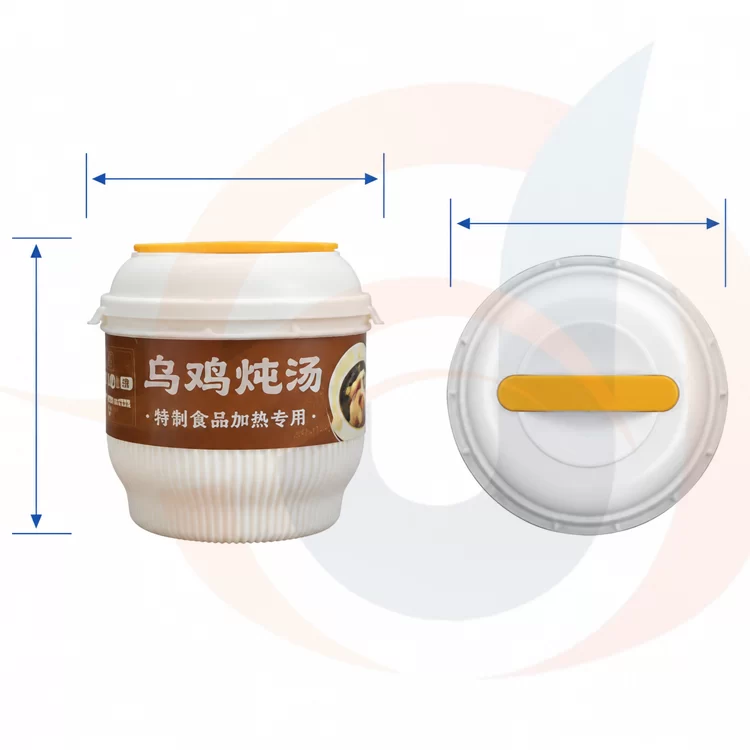
Neither option replaces the required storage conditions for the food. Editorial illustration; not a product specification or operating diagram.
Choose Insulation for Transport and Temperature Retention
An insulated bag is useful when the task is carrying food while reducing temperature change. For cold, perishable lunches, insulation must be combined with an appropriate cold-storage plan.
USDA recommends at least two cold sources when packing perishable food in a lunch bag. See its guidance on keeping bag lunches safe.
For hot food, use a container intended for hot holding and follow food-safety guidance and the container instructions. Do not assume that an ordinary fabric lunch bag maintains a safe hot-holding temperature for an entire workday.
Can You Use Both in the Same Meal Plan?
They can serve different stages of a plan: suitable cold transport before preparation, followed by heating in a separately approved system. That does not mean placing an activated chemical heater inside an ordinary zipped lunch bag.
Do not enclose an operating heater in an unapproved carrying bag. The heating system’s intended venting and handling requirements still apply. Keep unused components protected and follow the specified activation procedure at the destination.
Compare Cost per Use on the Same Basis
A reusable carrier and a single-use heating element have different replacement patterns. Compare the complete cost of what you need: the carrier, compatible food packaging, heating packs, and any required accessories.
For a food brand, also compare the consumer instructions and assembly work. A low-priced outer bag may still require a separately sourced heater and validation work. A ready-to-use insulated carrier may need suitable food containers and cold sources.
Review bag and heater reuse separately rather than assuming the entire heating kit has the life of its strongest-looking component.
Preguntas frecuentes
Can an insulated bag heat cold food?
Insulation alone does not generate the heat needed to warm a cold meal. Some products combine insulation with an electrical heater, but that is a different product category.
Is a self-heating bag a cooler bag?
No. Its heating function does not provide cold storage. Keep perishable meals under their required conditions before use.
Which is better for an outdoor lunch?
Choose according to the food and preparation plan. A shelf-stable, compatible meal needing warming presents a different requirement from a chilled lunch that must remain cold until eaten.
Discuss a prepared-meal heating configuration with JOYTIDE if your project needs active heating rather than temperature retention alone.

 English
  German
  French
  Korean
  Japanese
  Russian
  Arabic
  Portuguese
  Spanish