
When you need to warm a prepared meal away from kitchen facilities, a flameless ration heater offers a compact, water-activated solution. It works with compatible food packaging to heat a meal without an electrical outlet or an open flame.
For campers and outdoor workers, the benefit is convenient meal preparation. For ready-to-eat food brands, the opportunity is to create a complete self-heating meal product with a matched heater, packaging, and clear instructions.
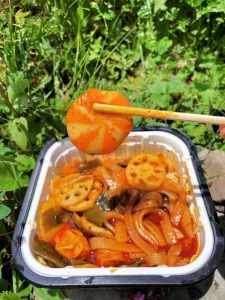
Choosing the right heater requires more than comparing pack sizes. Food weight, pouch dimensions, starting temperature, and the intended serving conditions all influence the result.
Quick Answer: What Is a Flameless Ration Heater?
A flameless ration heater is a portable heating element that generates heat when activated with the specified amount of water. Used in a compatible heating bag or container, it warms prepared food while keeping the heating materials separate from the meal. Most packs are designed for a single heating cycle.
How Does a Flameless Ration Heater Work?
A water-activated heater contains a heating composition inside a dedicated pack. Water reaches the composition and starts an exothermic reaction—a reaction that releases heat.
The surrounding bag or container positions the heater near the food package. Heat transfers through the compatible packaging and warms the meal without the heating material touching the food.
The complete system typically includes:
| Component | Function |
|---|---|
| Heating element | Releases heat after activation |
| Heating bag or compartment | Holds the heater and activation water |
| Food pouch or tray | Keeps the meal separated from the heating materials |
| Protective outer packaging | Helps protect the unused heater from moisture |
| Instructions and filling indicators | Explain activation, positioning, and handling |
Formulations differ, so the water quantity and preparation method must match the selected model. A fill level or heating time printed on one product should not be applied to another.
Explore JOYTIDE’s flameless ration heater range for available configurations.
Flameless Heater Formats to Consider
Heater Packs for Sealed Food Pouches
A pouch-style system places the sealed meal beside the heater inside a compatible outer heating bag.
When selecting this format, check:
- Whether the meal pouch fits without excessive folding.
- Whether the heater can maintain the intended contact with the pouch.
- Whether the package materials tolerate the heating conditions.
- Whether users can identify the correct water level.
- Whether the heated pouch can be removed conveniently.
This format can suit compact, individual ready-to-eat meals where packing space matters.
Heater Packs for Food Trays
A tray-based system normally separates the food from a lower heating compartment. The heater, activation water, food tray, and lid must work together as a complete assembly.
The tray layout affects food depth and heat distribution. A divided rice-and-side-dish meal may need a different configuration from a bowl of prepared soup.
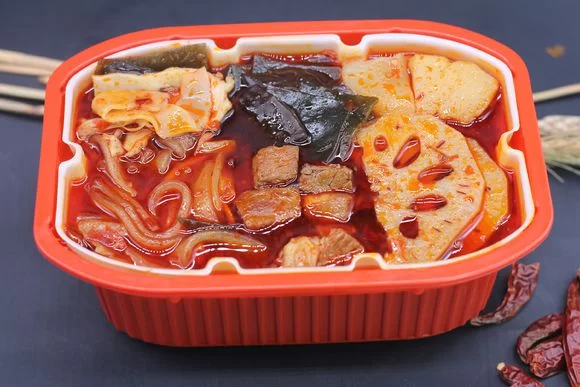
For suitable packaging formats, review JOYTIDE’s self-heating food containers and meal boxes.
Custom Heating Packs
Food brands may need heater dimensions, outer bags, printed instructions, or packing arrangements that suit a specific meal.
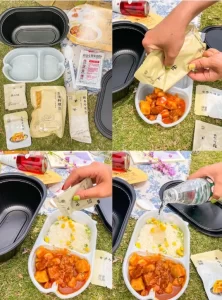
Customization should begin with the actual food product. Increasing heater size without checking the container and meal can create an unsuitable heating system.
JOYTIDE lists options for heater dimensions, weight, outer packaging, and private-label instructions on its magnesium-based heater product page.
Where Are Flameless Ration Heaters Useful?
| Civilian Application | Practical Benefit | What to Plan For |
|---|---|---|
| Camping | Warms compatible prepared meals without a burner | Site permission, activation water, and waste collection |
| Hiking and picnics | Keeps individual meal preparation compact | Total kit weight and a stable heating location |
| Outdoor work | Provides a heating option away from kitchen facilities | A permitted, ventilated meal-preparation area |
| Road-trip rest stops | Supports warm meals during an outdoor break | Safe placement and careful handling |
| Household emergency kits | Offers a heating option when electricity is unavailable | Dry storage and appropriate food supplies |
| Retail food products | Combines food and heating components in one kit | Compatibility testing and clear consumer instructions |
For a broader look at everyday applications, read our article on the convenience of flameless food heaters.
How to Choose the Right Flameless Ration Heater
Start with Meal Weight and Shape
The amount of food determines part of the heating requirement, but its shape also matters.
A thin pouch spreads food over a larger area. A deep tray concentrates food in a thicker layer. Even when both contain the same weight, heat may reach the center differently.
Provide the supplier with both the net food weight and package dimensions.
Define the Starting Conditions
A meal stored at room temperature requires a different amount of heating from the same meal starting cold.
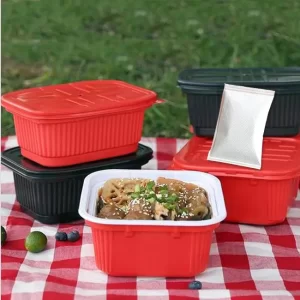
Identify the expected food temperature, activation-water conditions, and outdoor temperature range. Sample tests should reflect the conditions customers are likely to encounter.
Set a Measurable Heating Objective
“Gets very hot” is not a useful product specification.
A better evaluation records:
- Starting food temperature.
- Food weight and packaging.
- Activation-water quantity.
- Ambient temperature.
- Food temperature at defined locations.
- Elapsed heating time.
Measuring only the heater surface does not establish whether the food has warmed evenly.
Confirm Packaging Compatibility
Food-contact suitability depends on the material’s intended use, including the type of food and exposure conditions. A container intended for cold storage is not automatically suitable for heating.
The FDA distinguishes between storage and heating conditions in its reference on food types and conditions of use for food-contact substances.
Ask for documentation relevant to the actual tray, pouch, and heating conditions. A general material description alone does not confirm that the finished system is suitable.
What Affects Heating Performance?
| Factor | Why It Matters | What to Check |
|---|---|---|
| Food weight | Larger portions need more energy for the same temperature rise | Net weight per meal |
| Food thickness | Heat takes time to reach the center | Pouch profile or tray depth |
| Starting temperature | Colder meals require more warming | Expected storage and use conditions |
| Heater configuration | Output must suit the meal | Model-specific performance data |
| Water quantity | Activation depends on the correct amount | Supplied instructions and fill marks |
| Outer packaging | Positioning and heat retention affect performance | Complete assembled system |
| Ambient conditions | Cold surroundings can increase heat loss | Testing under intended conditions |
When comparing suppliers, compare results obtained under equivalent conditions. Heating times from different food weights or starting temperatures are not directly comparable.
How to Use a Flameless Ration Heater
Always follow the instructions supplied with the specific product. A typical pouch-style process is:
- Inspect the components. Check the food pouch and heater packaging for damage.
- Read the directions. Identify the filling point, water quantity, positioning, and heating period.
- Arrange the heater and meal. Keep the food sealed and the heating element inside its designated pack.
- Add the specified water. Do not overfill or substitute another activation liquid unless instructed.
- Position the outer bag as directed. Keep the intended venting path clear.
- Place the assembly on a stable surface. Keep it away from your face, skin, and ignition sources.
- Wait for the stated heating period. Take care around hot liquid, surfaces, and escaping vapor.
- Remove the meal carefully. Allow the used heater to cool before disposal.
Never make the heating assembly airtight. Do not consume the activation water or allow the heating contents to mix with the food. Use the ventilation conditions specified by the manufacturer.
Food Storage and Heater Storage Are Different
Adding a heater to a meal does not change the food’s storage requirements.
Some commercially processed foods in retort pouches are shelf-stable because of their validated processing and sealed packaging. USDA explains this packaging method in its guide to what a retort pouch is.
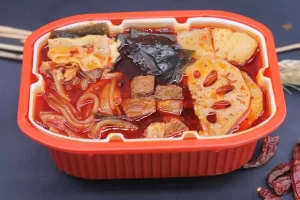
Other prepared meals require refrigeration. Follow the food label throughout storage and transport; the heating pack does not make improperly stored food safe.
Unused heaters also need their own storage controls:
- Keep the original protective packaging sealed until use.
- Follow the stated temperature and humidity conditions.
- Protect packs from moisture and physical damage.
- Check the heater’s expiry or recommended storage period separately from the food.
- Follow product-specific disposal instructions for damaged or unused packs.
Quality Checks for Commercial Buyers
A reliable self-heating meal depends on consistent components and a preparation process customers can follow.
| Check | Purpose |
|---|---|
| Heater dimensions and filling weight | Confirms consistency with the agreed specification |
| Protective package seals | Helps prevent moisture exposure before use |
| Activation testing | Checks performance under defined conditions |
| Meal compatibility testing | Evaluates the actual food and packaging combination |
| Leakage and handling review | Checks the assembled system during normal use |
| Instruction review | Confirms that filling, positioning, and handling are understandable |
| Batch identification | Supports traceability and investigation of product issues |
For private-label products, user testing is particularly useful. Observe whether someone unfamiliar with the kit can prepare it correctly using only the printed instructions.
How to Order a Custom Heating Solution
Prepare the following information before requesting samples or a quotation:
| Parameter | Details to Provide |
|---|---|
| Food product | Prepared rice, noodles, soup, stew, or another meal |
| Portion size | Net food weight |
| Packaging format | Pouch, bowl, or divided tray |
| Package dimensions | Length, width, depth, and relevant drawings |
| Starting conditions | Food temperature and expected use environment |
| Heating objective | Target serving temperature and preparation time |
| Customization | Heater size, branding, instruction language, and outer packaging |
| Destination market | Required product and transport documentation |
| Order quantity | Sample requirement and estimated production volume |
A practical ordering process is to confirm the meal requirements, evaluate a proposed configuration, test samples with the actual food, and approve the final specification before bulk production.
JOYTIDE offers heating packs and self-heating food-container options for compatible prepared meals. Available samples, customization, documents, minimum quantities, and delivery terms should be confirmed for the selected product.
Contact JOYTIDE to discuss your heating-pack requirements with your meal specifications and estimated quantity.
FAQ
Does a flameless ration heater need electricity?
No. A typical water-activated model generates heat through a chemical reaction rather than an electrical supply. It requires the specified activation water and compatible heating packaging.
How long does a flameless ration heater take to warm a meal?
The time depends on the heater model, meal weight, starting temperature, packaging, and surroundings. Use the instructions and test results for the selected system.
Can I use any food pouch with a heating pack?
No. The pouch must fit the system and be suitable for the heating conditions. Check the packaging material, dimensions, and food portion before use.
Is a flameless ration heater suitable for camping?
It can be useful for warming compatible prepared meals at permitted locations. Plan for activation water, ventilation, stable placement, and collection of used packaging.
Can the heater cook raw food?
Typical portable meal heaters are intended to warm prepared food. Do not rely on them to cook raw ingredients unless the complete system has been specifically designed and validated for that purpose.
Can a heating pack be reused?
Most packs are intended for a single heating cycle. Adding more water after the reaction has finished does not restore the original heating capacity.
Does a self-heating meal need refrigeration?
That depends on the food. Shelf-stable and refrigerated meals have different storage requirements. The presence of a heater does not determine whether refrigeration is needed.
What should I send a supplier when requesting samples?
Provide the food weight, packaging dimensions, starting temperature, heating objective, intended application, and estimated order quantity. These details help the supplier propose a configuration for meaningful testing.

 English
  German
  French
  Korean
  Japanese
  Russian
  Arabic
  Portuguese
  Spanish