
When you want a warm meal while camping, hiking, or working away from kitchen facilities, finding a practical heating method can be challenging. Carrying a stove takes preparation, and an electric food warmer needs a suitable power supply.
Flameless food heaters offer a convenient option for compatible ready-to-eat meals. By adding the specified amount of water, you activate a heating pack that warms the food through its packaging without electricity or an open flame.
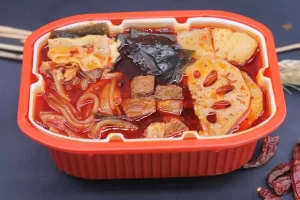
For consumers, this means simpler meal preparation away from home. For food brands, it creates opportunities to combine prepared food, heating components, and clear instructions into a convenient self-heating meal kit.
Quick Answer: What Is a Flameless Food Heater?
A flameless food heater is a portable heating pack that generates heat through a water-activated reaction. Used inside a compatible heating bag or container, it warms prepared food while keeping the heating materials separate from the meal. Heating time, water requirements, and suitable food portions depend on the selected system.
How Flameless Food Heaters Work
A water-activated food heater contains a heating composition enclosed in a dedicated pack. When the specified activation water reaches the material, a reaction releases heat.
The heating bag or container holds the components in the correct position so that heat transfers to the meal. The food remains separated from the heater by its compatible pouch or food tray.
A typical system includes:
| Component | Purpose |
|---|---|
| Heating pack | Generates heat after activation |
| Outer heating bag or compartment | Contains the heater and activation water |
| Compatible food pouch or tray | Holds the meal separately from the heating materials |
| Activation water | Starts the heating process |
| Instructions and fill marks | Guide correct preparation and handling |
Different heater formulations and container designs have different requirements. Always use the water quantity, positioning, and heating procedure specified for the selected product.
Convenience Benefits of Flameless Food Heaters
Warm Meals Without an Electrical Outlet
A flameless food heater does not require a socket, battery, or charging cable. This makes it useful for meal breaks where conventional heating facilities are unavailable.
You still need the complete heating system, activation water, and a suitable place to use it. Once these are available, a compatible prepared meal can be warmed without setting up a cooking appliance.
Compact Packing for Individual Meals
Heating packs can fit alongside food pouches or inside purpose-designed meal containers. This makes it possible to keep the preparation components together.
For a short hike or an outdoor lunch, a compact meal kit can simplify packing. For food brands, matching the heater to the package helps create a product that is easier to store, distribute, and explain to customers.
Straightforward Preparation
A well-designed self-heating meal kit uses clear instructions and visible filling indicators. Users can identify where to add water, how to position the meal, and when it is ready to remove.
Convenience depends on the complete experience. Packaging should be easy to open, stable during heating, and clear about hot surfaces and venting.
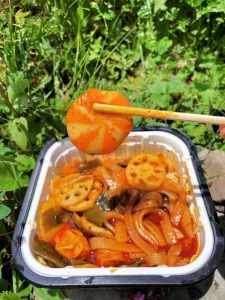
Less Cookware to Wash
With a compatible sealed food pouch, there is no cooking pot to clean after warming the meal.
Used heating packs and food packaging still require proper disposal. Allow the heater to cool and follow the product instructions before handling the remaining components.
Flexible Formats for Food Brands
Pouches, bowls, and divided meal trays offer different serving experiences. Choosing a heater together with the food package allows the system to suit the intended meal.
For example, a compact pouch may suit a single prepared dish, while a tray-based system may provide a more convenient format for rice and accompanying sides.
Explore JOYTIDE’s self-heating food containers and meal boxes for available container formats.
Everyday Applications
| Application | How Flameless Heating Helps | Selection Consideration |
|---|---|---|
| Camping | Warms prepared meals without setting up a burner | Campsite rules, water availability, and waste collection |
| Hiking and picnics | Keeps individual meal preparation compact | Total kit weight and ease of carrying |
| Outdoor work | Provides a heating option away from kitchen facilities | A designated, suitable heating area |
| Road-trip rest stops | Supports meal preparation during an outdoor break | Stable placement and appropriate ventilation |
| Household emergency supplies | Offers a heating option when electricity is unavailable | Dry storage and a suitable place for activation |
| Retail ready-to-eat meals | Adds heating capability to a packaged food product | Compatibility, instructions, and user testing |
A flameless heater should only be used where permitted and under the conditions specified by the manufacturer. The absence of an open flame does not remove the need for ventilation or careful handling.
Food-Heater Formats to Consider
Heating Packs for Food Pouches
Pouch systems position a compatible sealed meal beside the heating element inside an outer heating bag.
When selecting this format, check:
- Meal pouch dimensions and food weight.
- Compatibility with the heating conditions.
- Positioning of the heater against the pouch.
- Water filling instructions and venting.
- Ease of removing the heated meal.
Heating Packs for Meal Containers
Container systems normally separate the food tray from a lower heating compartment. The layout must allow heat transfer while preventing the heating contents from reaching the food.
This format can be considered for compatible prepared rice dishes, noodles, soups, and other ready-to-eat meals.
Complete Self-Heating Meal Kits
A complete kit combines the meal, matched heater, heating bag or container, and instructions.
For commercial projects, evaluating these components together helps identify issues such as an unstable container, unclear water markings, difficult opening, or uneven warming.
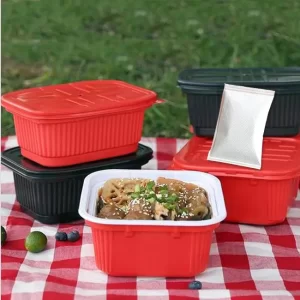
A heating pack should be selected for the actual meal rather than added to an existing package without compatibility testing.
How to Use a Water-Activated Food Heater
Preparation varies between products. The following steps describe a typical system; always follow the supplied instructions.
- Inspect the packaging. Check the heater and food package for damage or leakage.
- Read the directions. Confirm the water quantity, component arrangement, and heating time.
- Position the meal and heater. Keep the heating material inside its designated pack and separate from the food.
- Add the specified water. Use the marked compartment or filling point.
- Arrange the lid or heating bag as directed. Keep the intended vents clear.
- Place the system on a stable surface. Avoid holding it against your body during activation.
- Wait for the instructed heating period. Take care around hot surfaces and escaping vapor.
- Remove the food carefully. Let the used heater cool before disposal.
Do not drink the activation water, pour it into the meal, or open the heating element.
What Affects Heating Time?
There is no single heating time that applies to every flameless food heater. Performance depends on how the heater, meal, packaging, and surroundings interact.
| Factor | Effect on Heating |
|---|---|
| Food weight | A larger portion requires more energy for the same temperature increase |
| Starting food temperature | Colder food requires more warming |
| Ambient temperature | Cooler surroundings can increase heat loss |
| Meal thickness | A thick portion may warm differently from a thin, evenly distributed portion |
| Heater output | The pack must suit the intended meal load |
| Water quantity and temperature | Activation conditions can influence performance |
| Container structure | Positioning and insulation affect heat transfer |
For product development, request results that identify the food weight, starting temperature, water quantity, and test conditions.
The temperature of the heater itself does not establish the temperature throughout the food. Evaluate the meal at relevant locations to understand warming consistency.
Food Compatibility and Storage
Use Food Packaging Designed for the Heating Method
Not every plastic container or food pouch is suitable for heating. A package that safely holds cold food may behave differently when exposed to heat.
USDA explains that packaging materials have specific intended uses and that some materials are unsuitable for heating. Its guidance on food packaging materials provides useful background.
Use a food pouch or tray confirmed as compatible with the selected heating system.
Check Whether the Meal Is Shelf-Stable
A self-heating package does not automatically make its contents suitable for storage at room temperature.
USDA describes retort pouches as packaging used for foods that undergo a controlled thermal process to achieve shelf stability. See its explanation of what a retort pouch is.
Follow the food manufacturer’s storage directions. Meals requiring refrigeration must remain appropriately refrigerated before use.
Protect the Unused Heater from Moisture
Keep heating packs in their original sealed packaging under the specified storage conditions.
Check the heater’s storage period separately from the food’s date label. Replace damaged packs and avoid using components whose condition is uncertain.
Follow Food-Safety Guidance During Power Outages
A portable heater provides heat; it does not make improperly stored food safe to eat. For household emergency planning, follow USDA guidance on keeping food safe during emergencies.
Choosing a Flameless Food Heater for Your Product
For food manufacturers and packaging buyers, start with the intended meal and the customer’s preparation experience.
Information to Prepare
| Parameter | Details to Provide |
|---|---|
| Meal type | Prepared rice, noodles, soup, stew, or another ready-to-eat dish |
| Portion weight | Net food weight per serving |
| Food packaging | Material, dimensions, shape, and compartment layout |
| Storage conditions | Shelf-stable, chilled, or another specified condition |
| Starting temperature | Expected food temperature before heating |
| Heating objective | Target serving temperature and preparation time |
| Use environment | Camping, outdoor work, retail meals, or household emergency use |
| Packaging preferences | Heating bag, bowl, tray, or complete container set |
| Customization | Branding, instruction language, dimensions, and carton packing |
| Order requirements | Sample quantity and estimated production volume |
Recommended Ordering Process
- Share the meal specifications and intended application.
- Discuss a suitable heater and packaging combination.
- Confirm sample availability.
- Test the system with the actual food product.
- Review warming performance, handling, and instructions.
- Confirm the final configuration, documentation, price, and delivery terms.
- Approve the agreed specification before production.
Avoid selecting a heater solely by pack weight or a maximum-temperature claim. The relevant question is whether the complete system warms your particular meal consistently under its intended conditions.
Custom Self-Heating Meal Solutions from JOYTIDE
JOYTIDE offers self-heating food containers and heating-pack configurations for compatible prepared meals. Listed customization options include container dimensions, tray layouts, heater configurations, printed instructions, and private-label packaging.
| Customization Area | Practical Benefit |
|---|---|
| Container shape and size | Accommodates different meal portions |
| Inner tray configuration | Supports the intended serving layout |
| Matched heater pack | Aligns heating capacity with the meal |
| Printed instructions | Explains activation and handling |
| Logo and outer packaging | Integrates the kit with the food brand |
| Carton configuration | Supports packing and distribution requirements |
For tray-based projects, review the self-heating meal-container options and confirm which configuration suits your food.
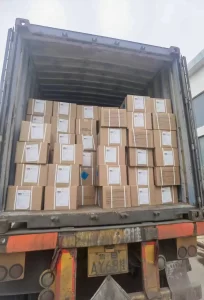
Ready to develop a self-heating meal product? Contact JOYTIDE with your meal weight, packaging dimensions, intended use, and estimated order quantity to discuss samples and suitable options.
FAQ
What is a flameless food heater?
A flameless food heater is a heating pack that releases heat after activation, commonly through the addition of water. It warms compatible prepared food inside a dedicated heating bag or container without an electrical supply or open flame.
How much water does a food-heating pack need?
Use the quantity specified on the product label or instructions. Water requirements vary between heater formulations and sizes. Adding extra water does not necessarily improve heating.
How long does a self-heating meal take to warm?
The time depends on the heater, food weight, starting temperature, and packaging. Follow the instructions for the complete meal system rather than applying a heating time from another product.
Can flameless food heaters cook raw ingredients?
Typical portable food-heating packs are intended for compatible prepared meals. Do not use them to cook raw ingredients unless the complete product has been specifically designed and validated for that purpose.
Are flameless food heaters reusable?
Most heating packs are intended for one heating cycle. Follow the product instructions and do not attempt to restore a used pack by opening it or adding other materials.
Can I use a flameless food heater inside a car or tent?
Do not assume it is suitable for enclosed spaces. Use a location with the ventilation required by the manufacturer, and avoid activation in an enclosed car or tent.
Can I put any ready-to-eat meal in a self-heating container?
No. Food weight, packaging material, container dimensions, and heating requirements must be compatible. A prepared meal may also require refrigeration before heating.
Can self-heating food packaging be customized?
Yes. Depending on the selected product, options may include container size, tray layout, heater configuration, printed instructions, branding, and outer packaging. Confirm availability and test the proposed configuration with the actual meal before ordering.

 English
  German
  French
  Korean
  Japanese
  Russian
  Arabic
  Portuguese
  Spanish